Night count reveals diverse wildlife at Zandvlei Estuary
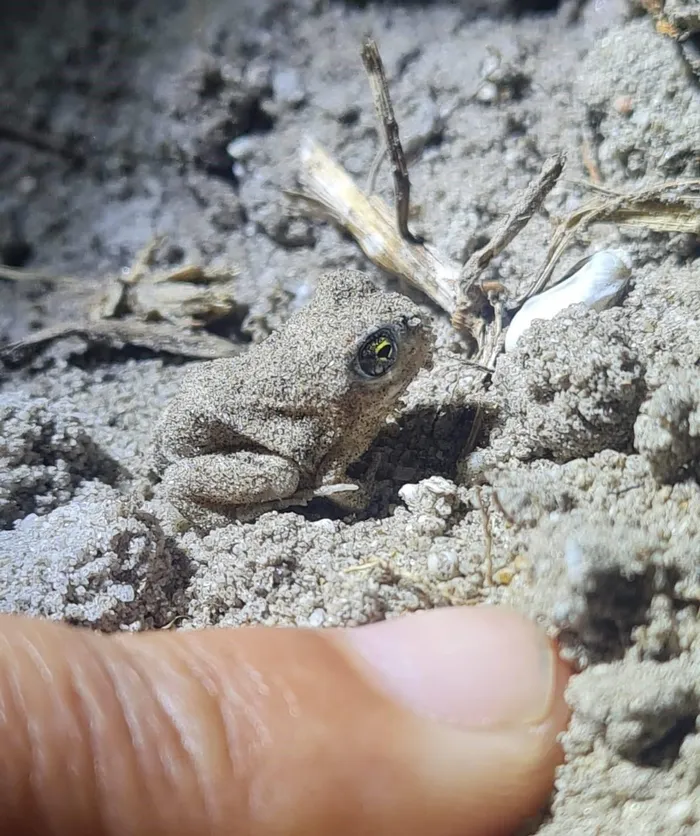
A Cape sand frog, a wetland species that forms part of the biodiversity monitored during conservation surveys at Zandvlei Estuary Nature Reserve.
Image: City of Cape Town
A recent night count at Zandvlei Estuary Nature Reserve has provided valuable insight into the health of wildlife at the urban reserve.
The count, carried out on the evening of Monday, 29 December on Park Island, forms part of regular monitoring conducted by reserve staff.
Mayoral committee member for spatial planning and environment, Eddie Andrews, said the night counts take place every three months, coinciding with a full moon.
“The purpose is to track long-term population trends for nocturnal fauna at Zandvlei Nature Reserve,” Mr Andrews said.
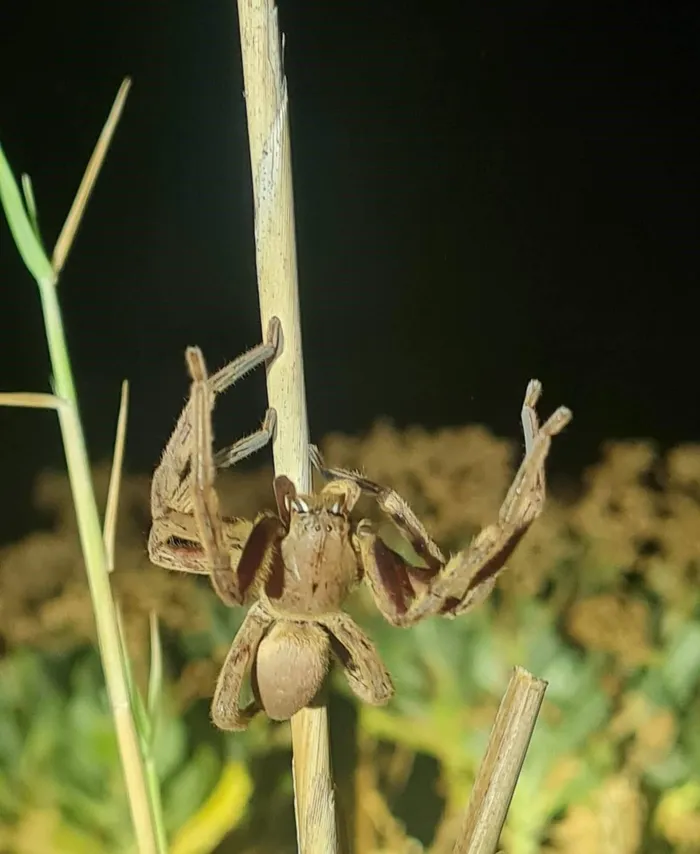
A Cape rain spider.
Image: City of Cape Town
He explained that the counts help monitor increases or declines in species populations and allow officials to record animals that are difficult to observe during the day.
During the December count, staff recorded Cape porcupines, Cape grysbok, spotted eagle owls, night herons and Cape dwarf chameleons.
According to Mr Andrews, the presence of these species indicates that the reserve is functioning as a suitable habitat.
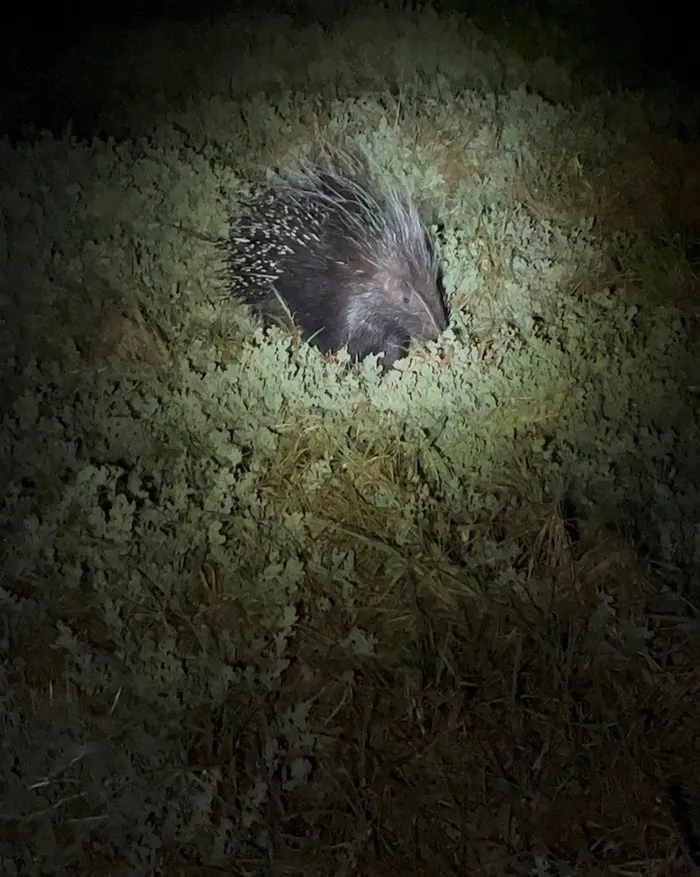
A Cape porcupine spotted during a recent night count at Zandvlei Estuary Nature Reserve.
Image: City of Cape Town
“As Zandvlei Nature Reserve is an urban nature reserve, there are constant pressures on the faunal species due to potential interactions with humans and pets such as dogs and cats,” he said.
“These results show that our systems to manage the usage of the reserve are working and that the local wildlife still has space to behave naturally.”
One notable observation was the sighting of porcupines on Park Island.
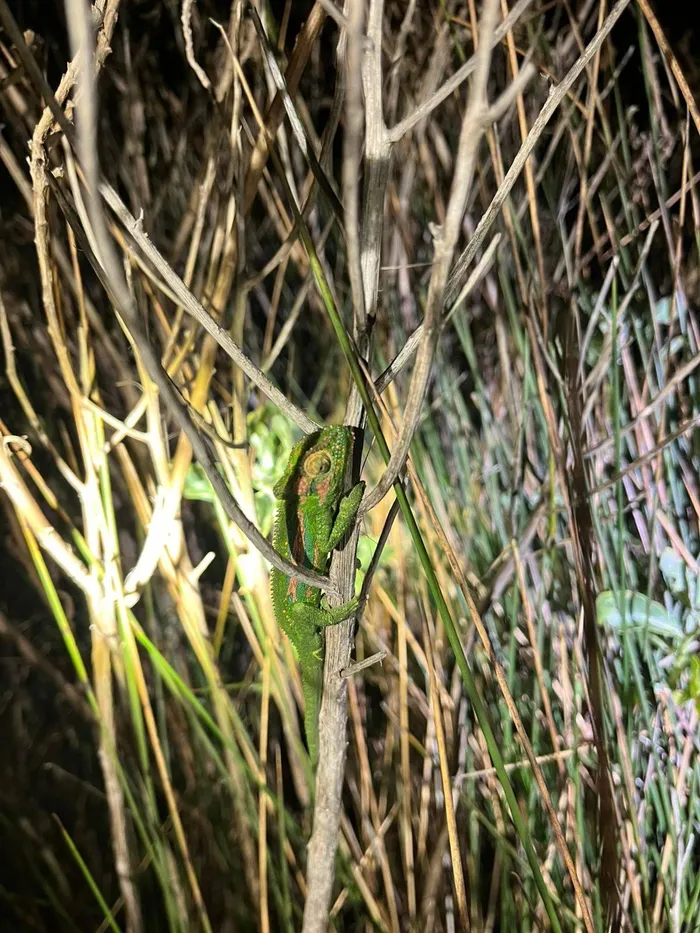
A Cape dwarf chameleon, one of the species monitored during a recent night count at Zandvlei Estuary Nature Reserve.
Image: City of Cape Town
Mr Andrews said it had been some time since their presence was last recorded, although signs of their foraging activity had been detected previously.
He added that Cape dwarf chameleons continue to be closely monitored, particularly during dry periods, as they are sensitive to such conditions.
While rarer nocturnal species such as caracal, genets and Cape clawless otters were not seen during the count, Mr Andrews said these animals are highly elusive and are more reliably recorded using camera traps.
Comparing the results with previous counts, he cautioned that a single count offers limited insight, as wildlife numbers can fluctuate due to seasonal and weather-related factors. However, longer-term trends are more informative.
“The most notable trend observed over the past three years is an increase in Cape grysbok on Park Island,” he said, attributing this to improved compliance and enforcement of dog-walking regulations in the area.
The night counts are also used to assess conservation concerns, including habitat fragmentation and the ability of species to move between different sections of the reserve.
Mr Andrews said the City is closely monitoring the impact of a newly erected fence around the Bird Sanctuary section.
“Fences are an important component in securing our sites and protecting wildlife from illegal poaching and stray domestic animals,” he said.
“However, if we detect any negative trends, we would take action to accommodate more wildlife corridors through these barriers.”